Project-based manpower

A team for the project. From the first day to the last.

A project has a start and an end. We bring the people — we recruit, train, equip, schedule and manage them — and wind everything down in good order when the project is over.

Your challenge

What stands in your way today, and what moves over to us from the moment we step in.

A project needs a lot of people at once, and only for as long as it runs — with a start date, an end date and work that has to happen on time.

Running a temporary workforce is a full job in itself — and it lands on the very managers who are already busy running the project.

What OASIS takes responsibility for

  • Recruiting the team for the project — in the numbers and at the pace the project needs
  • Training and onboarding to your own procedures
  • Equipment and workwear for the role, and whatever permits are needed before work can start
  • Daily scheduling, attendance tracking, and cover when someone does not turn up
  • An OASIS project manager on site — one person to go to for everything
  • On-site quality control and ongoing reporting for the length of the project
  • An orderly finish — ending the employment, collecting the equipment and a project wrap-up

How does it work?

Step 1 of 5

Understand the need

Together we work out how many workers you need, for which roles, on what timeline, and what the work needs to achieve.

Step 2 of 5

Plan the team

We set out what the team looks like: who does what, how shifts are set, how people are trained, and how the quality of the work is checked.

Step 3 of 5

Recruit and train

We find the right people, screen them and train them — including concentrated hiring days when you need many workers fast.

Step 4 of 5

Start on site

Work starts — all at once or step by step — and our managers are on site more in the first days.

Step 5 of 5

Run and improve

We manage the day-to-day, measure, fix what is not working, and keep improving over time.

Projects we have delivered

Israel's national census

Over 200 field workers on this one project — counting households across the central district, for the Central Bureau of Statistics.

  • Over 200Field workers
  • The central districtCoverage

National mapping project

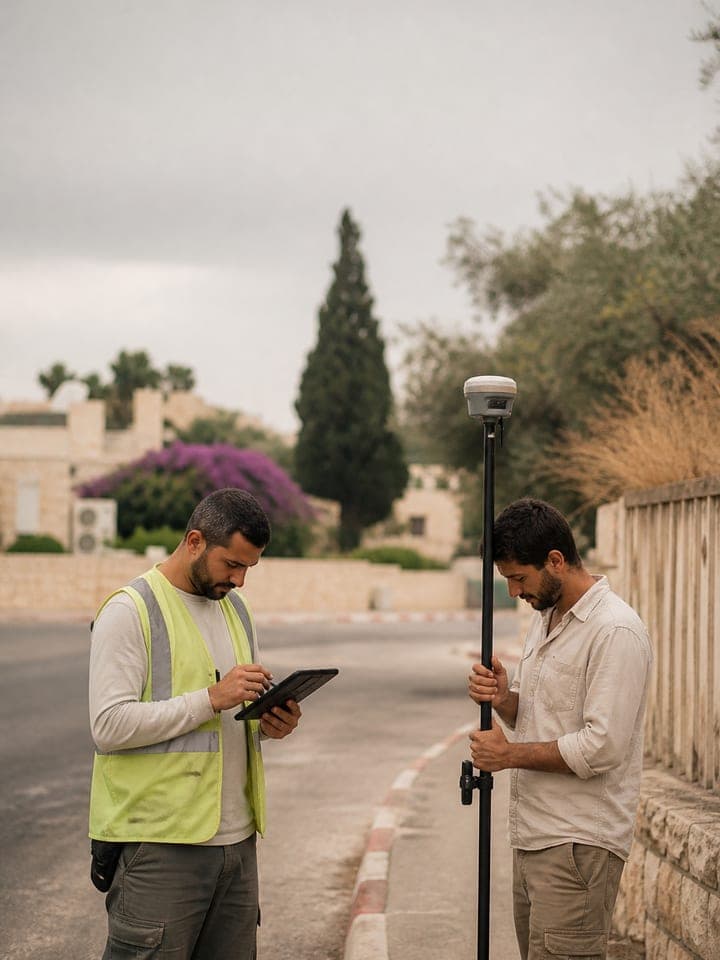
Over 100 workers we recruited and managed on this project — mapping street by street in ten cities at once, for an international client.

  • Over 100Workers
  • Ten citiesCoverage

COVID-19 testing sites

More than 100 field workers we put in place for this one project — at testing sites nationwide, at very short notice, as part of the support effort for the Ministry of Health.

  • More than 100Field workers
  • NationwideCoverage

Elections

Ahead of the elections, OASIS staff prepared the ballot boxes and the envelopes — preparation work that has to be finished on time, against a date that cannot move.

Hostess and marketing projects

Supplying staff at scale for hostess and marketing projects across a range of fields.

The light rail

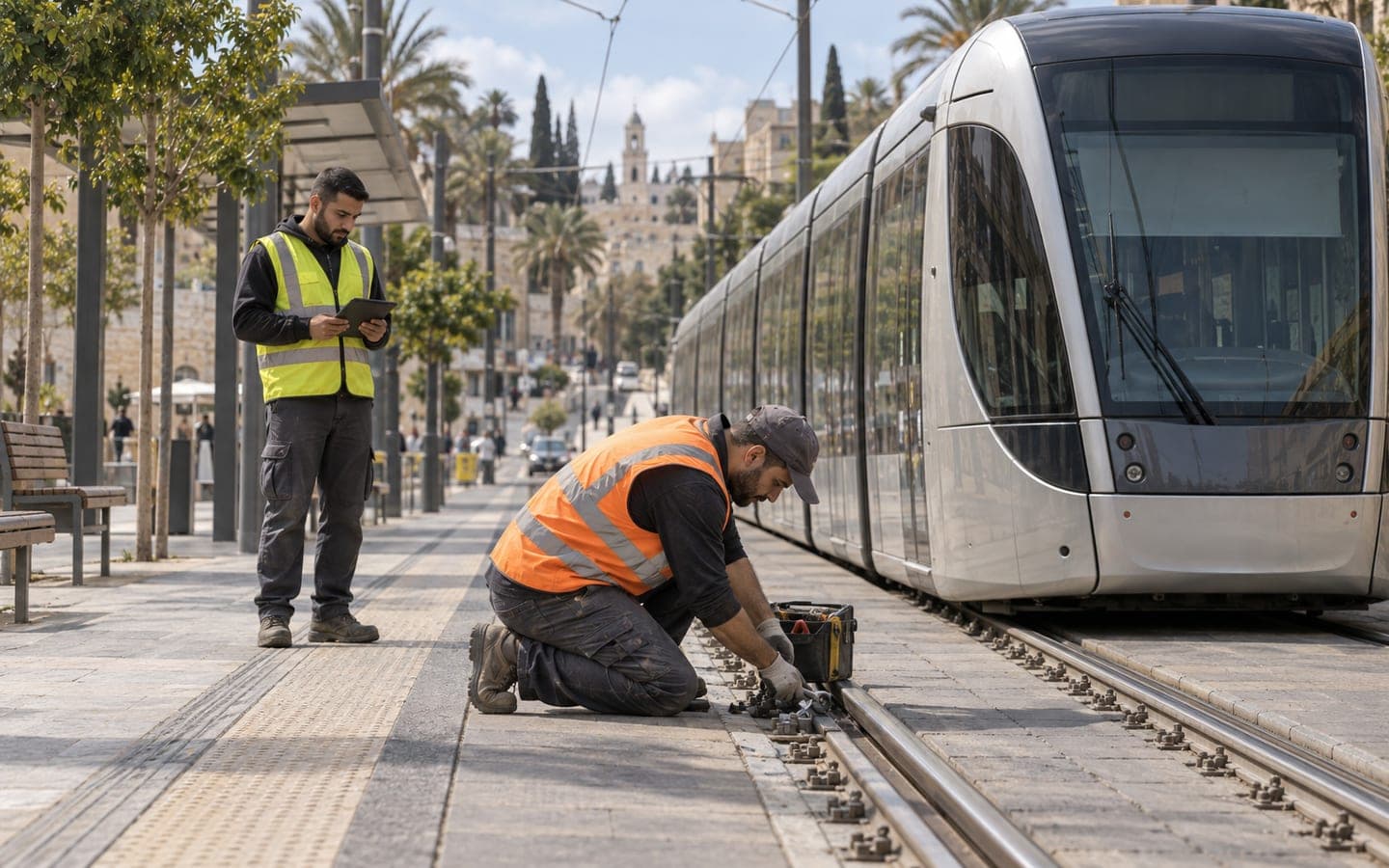
Supplying staff at scale for the light rail’s hostess project.

Inspectors on Afikim buses

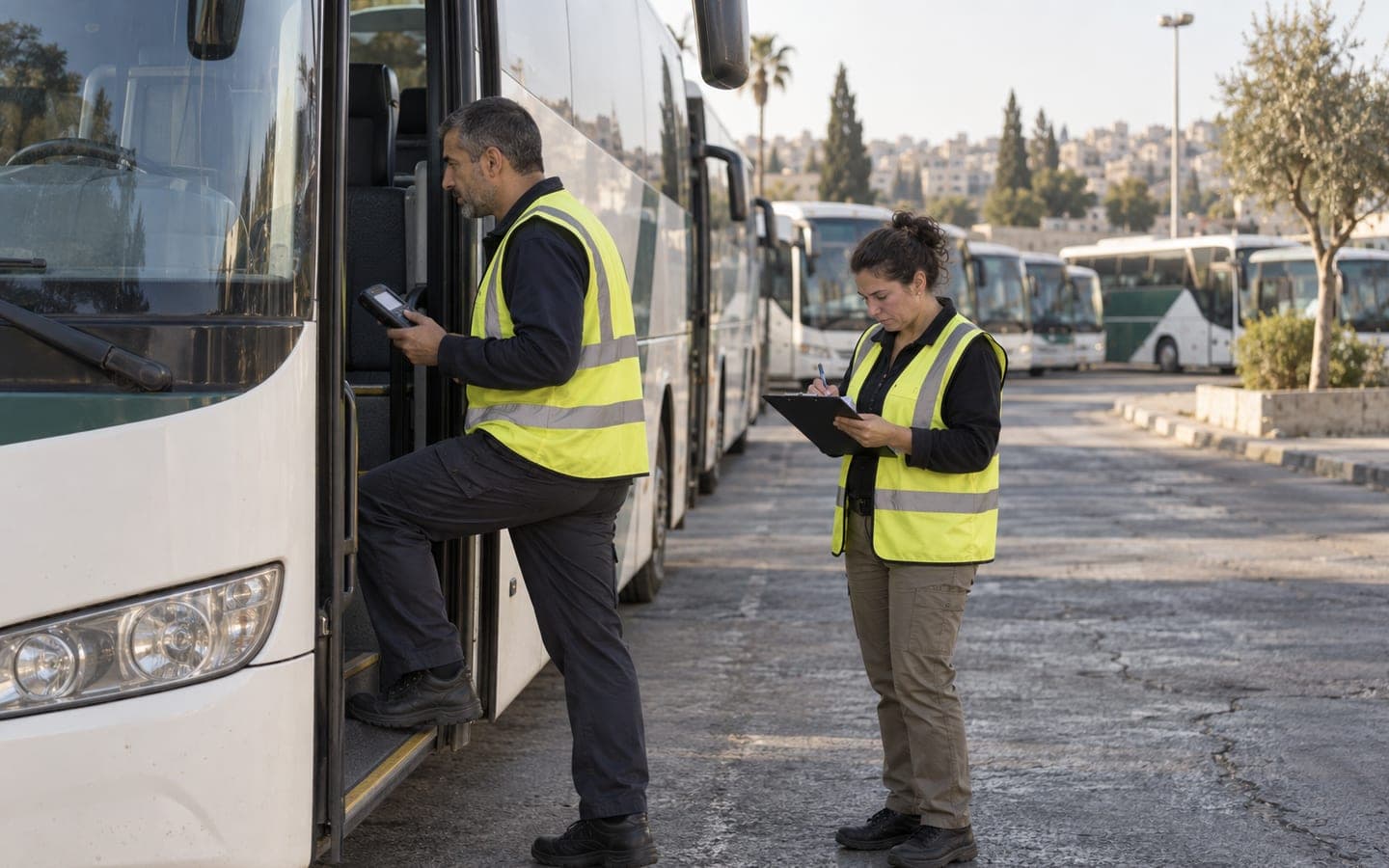
OASIS inspectors worked on Afikim buses — a transportation project.

The workers we recruit for you

  • Field and operations staff
  • Preparation, sorting and packing staff
  • Inspectors and checkers
  • Promotion and stand staff
  • Team leads and shift supervisors

How we manage and report

  • Agreed reporting on staffing, attendance and exceptions
  • A regular update meeting with your managers, at a frequency that fits the pace of the project

Frequently asked questions

Who actually employs the workers?

The employment model is set in the agreement with the customer and varies by project type. We set out exactly what it means at the scoping stage, before anything is signed.

How long until the team starts working?

It depends on how many workers you need, for which roles and where. Once we understand the need we commit to a timeline — and we will not promise a date before we have checked that it is possible.

Can the team grow or shrink partway through?

Yes. A project changes pace, so we agree in advance how people are added and how the team is reduced — so that the change does not stop the work.

What happens when the project ends?

The ending is planned in advance, exactly like the start: the employment is ended, the equipment is collected, and you get a wrap-up. You are not left holding a team with no work to do.

Let’s start with a short call

Twenty minutes is enough to understand what you need: how many workers, when you need them, and how we would work together.

How many workers do you need?
When would you like to start?